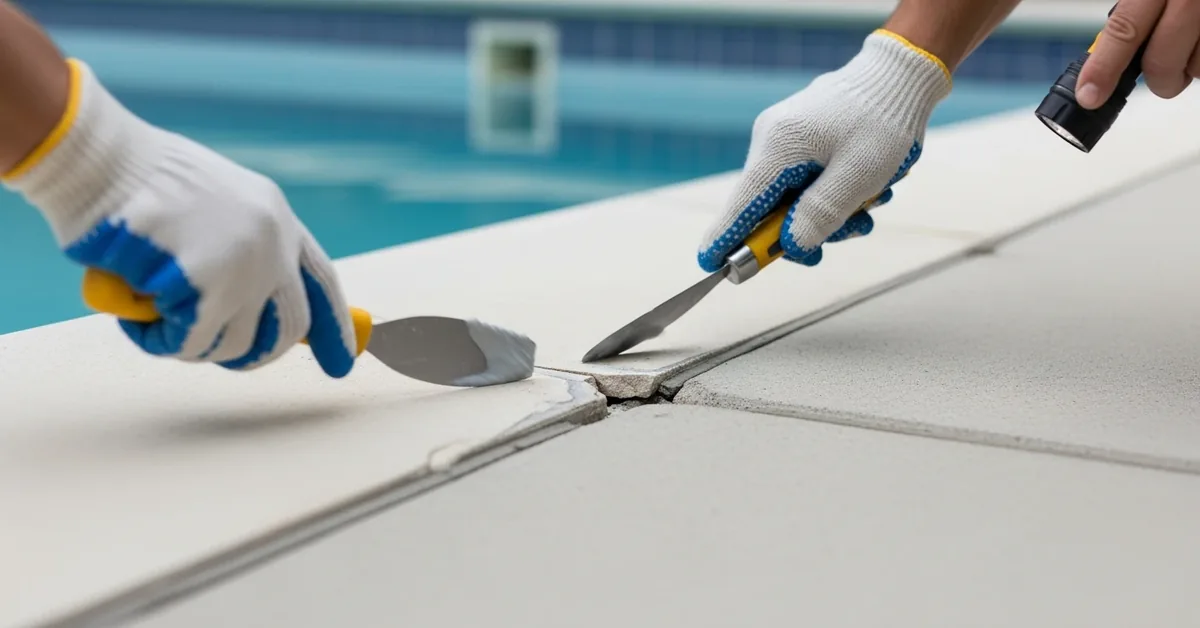
Inspection and Repairs
Why do so many quick-fix pool repairs end up costing homeowners more within a year? The issue often isn't the repair itself, but the failure to diagnose the underlying, age-related problems common in…

Routine pool maintenance is essential for a clean, safe, and enjoyable pool. Without proper maintenance, issues like
Routine pool maintenance is essential for a clean, safe, and enjoyable pool. Without proper maintenance, issues like algae growth, cloudy water, and equipment problems can arise. By following a regular maintenance schedule, you can prevent these issues and keep your pool in top condition.
Important Cleaning TasksMaintaining a clean pool requires regular cleaning tasks. These tasks help eliminate debris, prevent algae, and maintain clear water.
- Surface Skimming and Brushing: Frequent skimming eliminates leaves, insects, and other debris from the pool surface. This prevents debris from settling and causing water quality issues. Brushing the pool walls and floor clears dirt, algae, and buildup that can cause stains and slippery spots. Consistent skimming and brushing keep your pool looking pristine and prevent algae growth.
- Pool Vacuuming: Cleaning the pool floor with a vacuum removes dirt and debris that has settled to the bottom. Automatic pool vacuums simplify this task, but manual vacuuming may be necessary for thorough cleaning. Regular vacuuming helps maintain water clarity and prevents debris buildup.
Maintaining Water ChemistryKeeping the pool water balanced is crucial for safety and comfort. Proper chemical levels prevent algae growth, bacteria, and other contaminants, and safeguard pool surfaces and equipment.
- Testing and Adjusting: Frequently testing the pool water to measure chlorine, pH, alkalinity, and calcium hardness is crucial. Make adjustments to chemicals as needed to ensure proper balance. Utilizing a quality test kit ensures precise measurements, so you can correctly adjust the chemicals.
- Shock Treatments: Shock treatments involve adding a high dose of chlorine to the pool to kill bacteria, algae, and other contaminants. This is crucial after heavy use or bad weather. Frequent shocking maintains water cleanliness and safety.
Filter MaintenanceYour pool's filtration system plays a key role in keeping the water clean. Consistent filter maintenance keeps it running efficiently.
- Filter Cleaning: Based on your filter type—cartridge, sand, or diatomaceous earth—cleaning methods will vary. Cartridge filters should be removed and hosed down to remove dirt and debris. Sand and DE filters need backwashing to clean trapped particles. Frequent filter cleaning keeps the system running smoothly and ensures clear water.
- Replacing Filter Media: Filter media will require replacement over time. For sand filters, the sand should be replaced every 3-5 years. Cartridge filters must be replaced every 1-2 years. DE filter grids need replacement every 3-5 years. Frequently replacing filter media ensures optimal filtration and water quality.
Consistent pool upkeep is essential for a clean, safe, and enjoyable swimming experience. By adhering to a consistent maintenance routine, you can keep your pool in top shape for the long term.
Why do so many quick-fix pool repairs end up costing homeowners more within a year? The issue often isn't the repair itself, but the failure to diagnose the underlying, age-related problems common in…
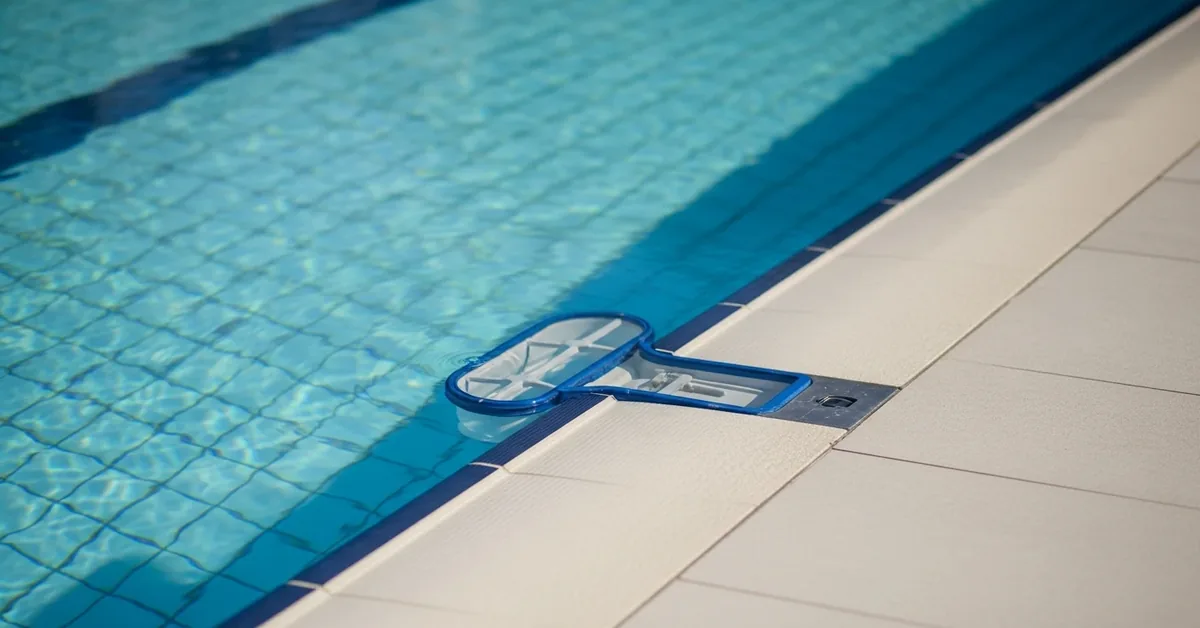
Many homeowners in the Boston, FL area assume that a standard salt system or regular chlorine shock will keep their pool water clear year-round. The reality I've seen on project sites is that our loc…
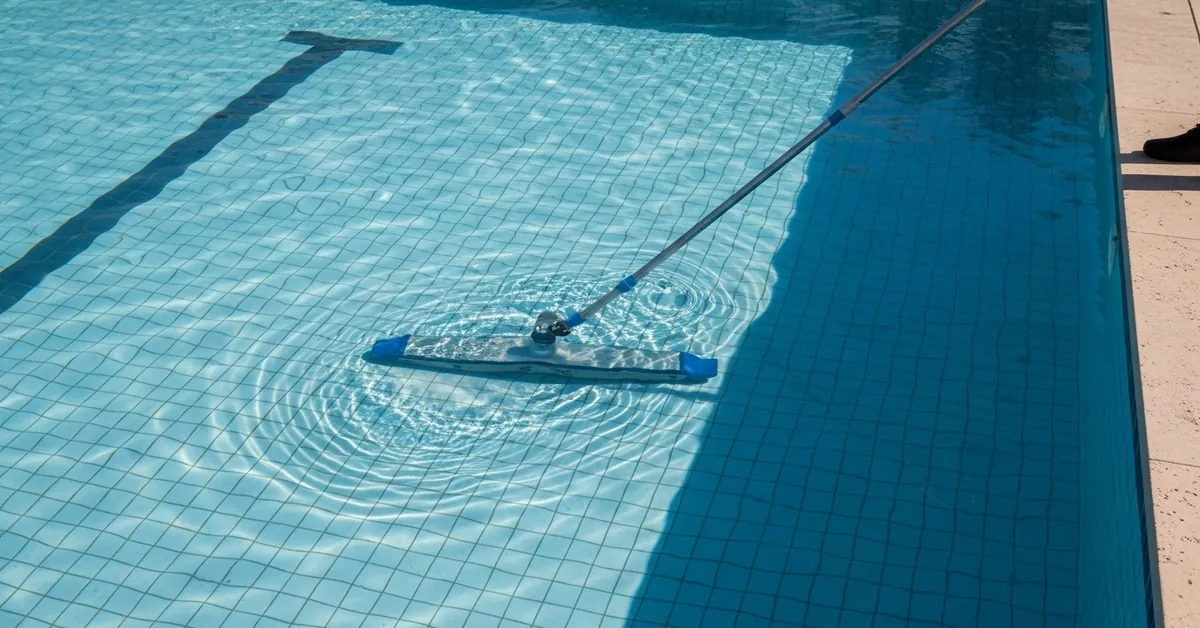
Many homeowners believe that weekly pool cleaning is a simple checklist of skimming leaves and adding chlorine. However, the reality on Florida's Space Coast is far more complex. The combination of i…