From my years working on pools across Boston, the critical error I see is homeowners treating inspections as a
From my years working on pools across Boston, the critical error I see is homeowners treating inspections as a formality and repairs as isolated events. In our area, with a housing stock where many pools are decades old, a surface-level crack or a noisy pump is almost always a symptom of a deeper, systemic issue. The most effective approach is a full diagnostic inspection that links the pool shell, the underground plumbing, the equipment pad, and even the surrounding deck into a single, interconnected system. This prevents the costly cycle of fixing one problem only to have another emerge months later.
- The majority of significant repair costs in Boston stem from failures in pre-1990s single-port suction lines that are no longer code-compliant.
- A comprehensive inspection must include a pressure test of all plumbing lines; visual checks are insufficient.
- The local permitting process for any repair involving excavation or main drain modification can add 2-4 weeks to a project timeline.
- Deck integrity is directly tied to pool health; cracks in the concrete or pavers often indicate soil settlement or shell leaks.
The Planning Failures That Drive Up Repair Costs
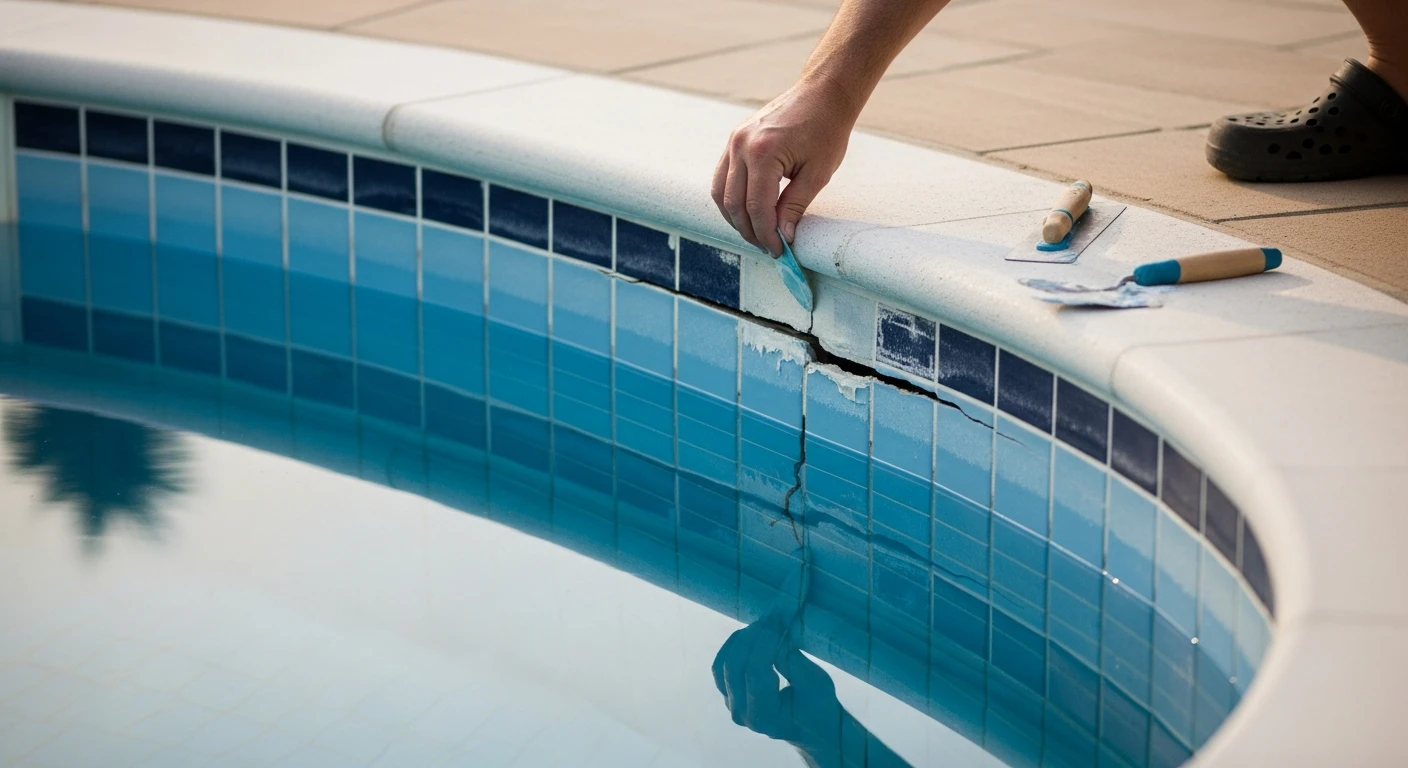
The most common planning failure is budgeting for the visible problem instead of the probable cause. A homeowner in Boston sees a crack in the pool's finish and gets a quote for a patch. What they often fail to account for is that the crack may be a symptom of shell movement caused by a slow, underground leak that has eroded the supporting soil. The patch will fail, and the real, more expensive problem remains.
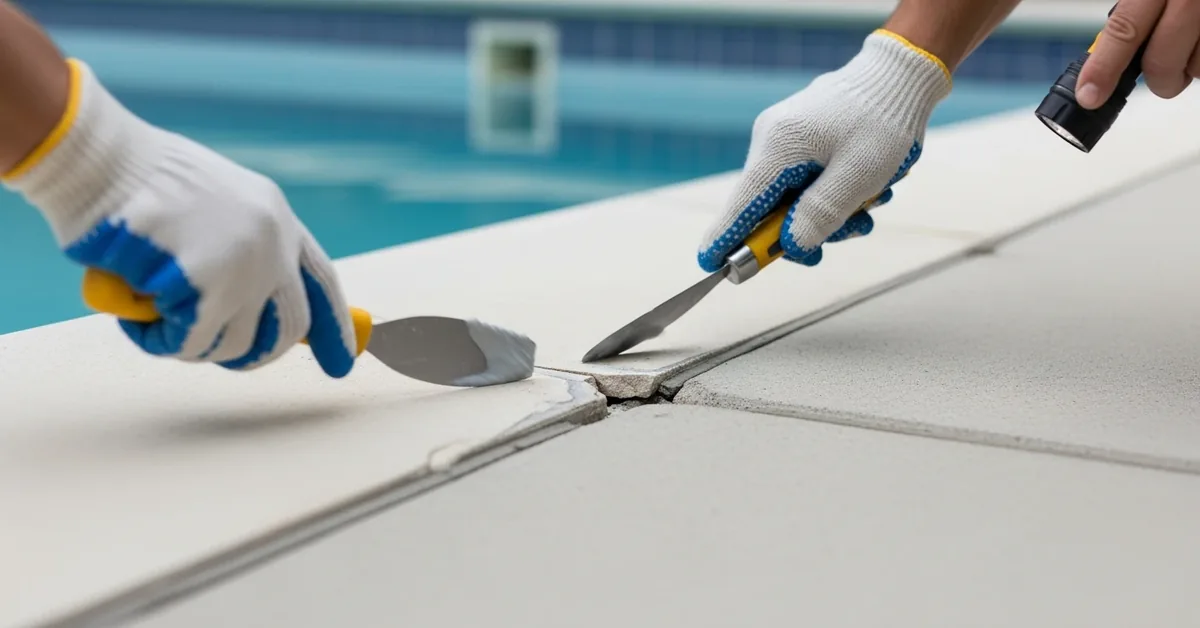
Another frequent misstep is ignoring the condition of the pool deck. Water intrusion from a failing deck expansion joint or poor drainage can saturate the ground around the pool shell, creating hydrostatic pressure that can lead to structural damage. I've seen projects where a simple deck caulking job, done years earlier, could have prevented a five-figure structural repair bill. It's a classic case of focusing on the obvious while the silent destroyer does its work.
The Most Expensive Oversight: The Underground Plumbing Assessment
The single most expensive oversight is assuming the underground pipes are fine just because there's no visible water loss. I was called to a project where the client had just spent thousands on a new, high-efficiency pump. The new pump's increased pressure immediately blew out a brittle, 30-year-old PVC line underground. The subsequent leak detection, excavation of the deck, and plumbing repair cost more than twice the price of the new pump. A pre-repair pressure test, which would have cost a few hundred dollars, would have identified the weak plumbing and allowed for a planned, consolidated repair.
The Inspection and Repair Process in Practice
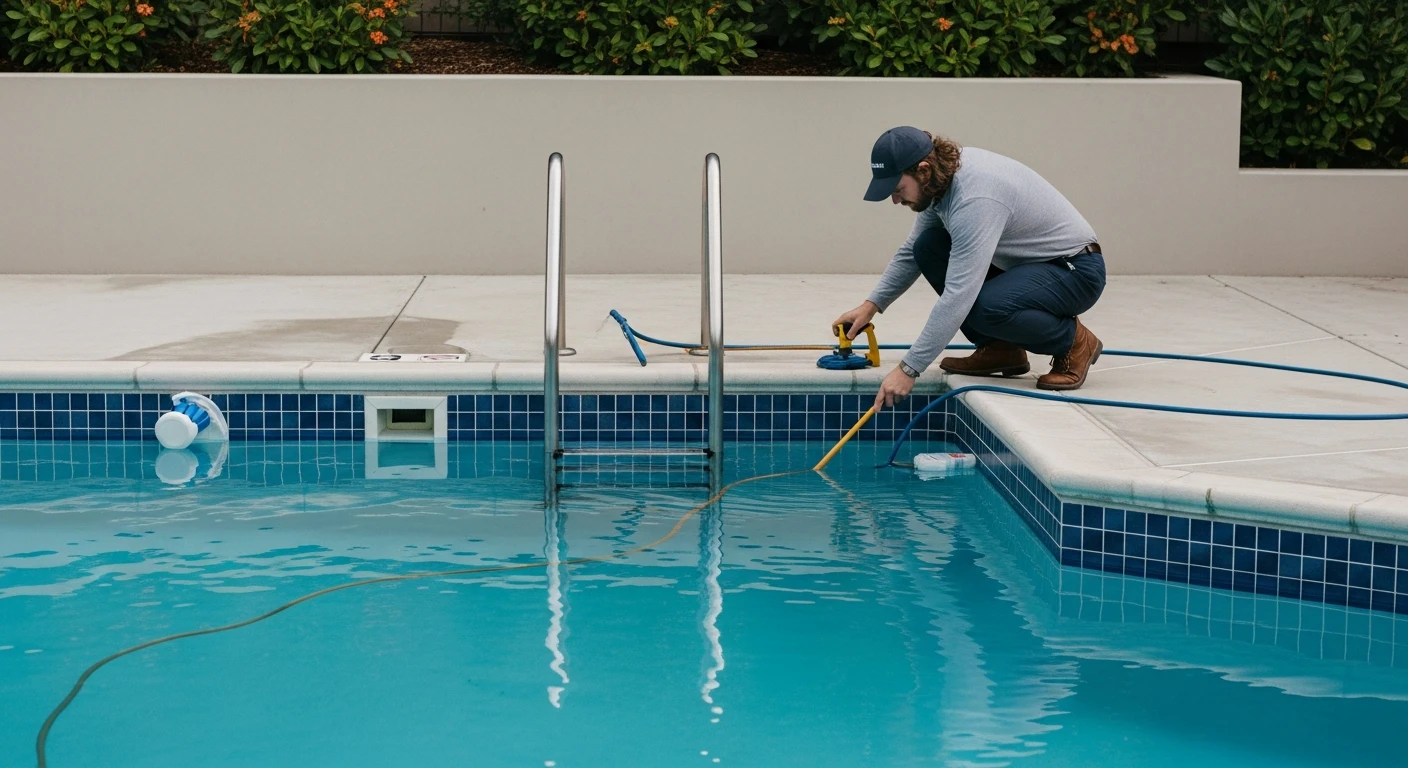
A legitimate inspection process is not a 15-minute walk-around. It begins with a detailed client interview about the pool's history, followed by a systematic operational test of all equipment. We run the pump, heater, and any water features, listening for unusual noises and checking for proper flow. This is followed by a visual inspection of the shell, tile, and coping for any signs of degradation or movement.
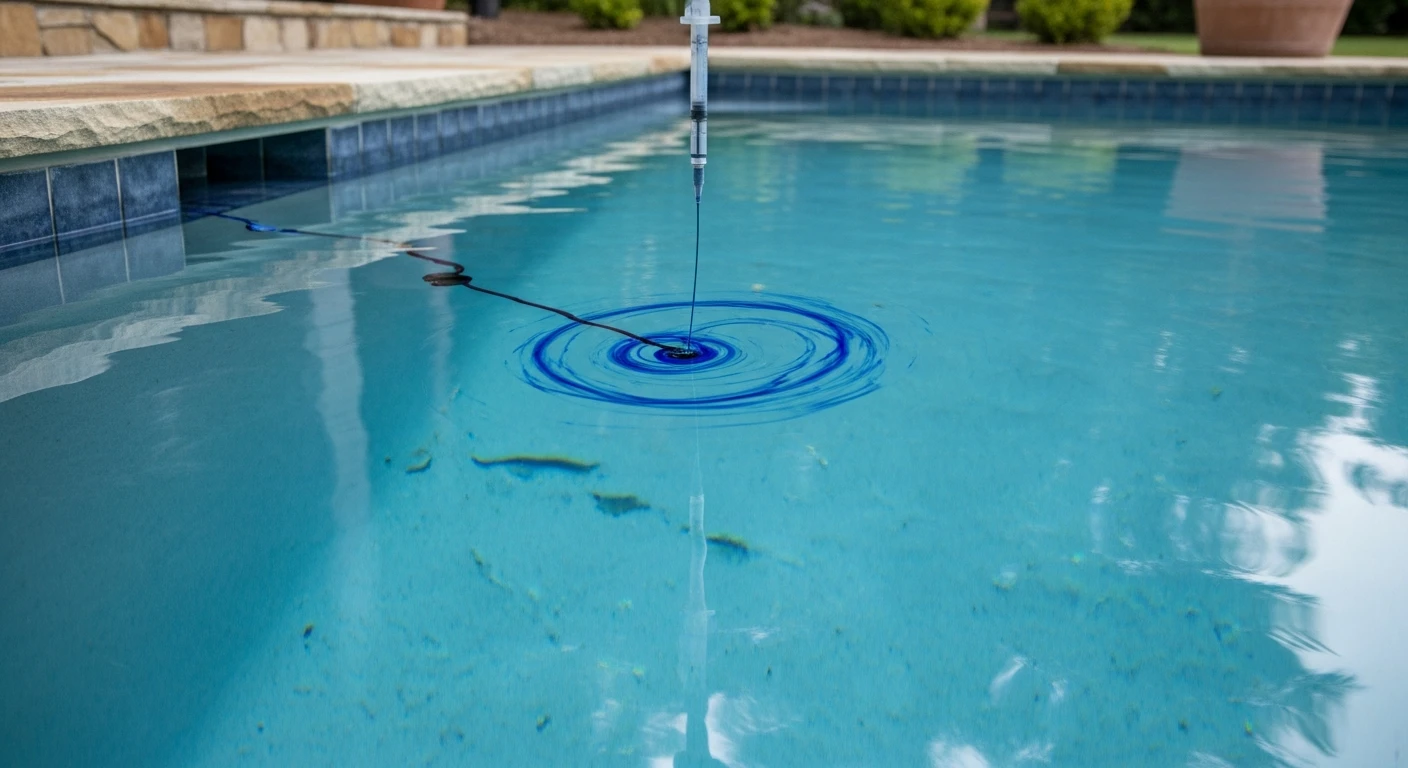
The non-negotiable part is the diagnostic testing. This includes pressure testing every plumbing line—suction and return—to ensure they can hold pressure. We also use electronic leak detection and dye testing to pinpoint the exact source of any water loss. For the deck and surrounding area, we assess drainage, expansion joints, and look for signs of soil settlement. Only after this comprehensive data collection can we formulate an accurate repair plan that addresses both the symptom and the root cause.
Key Selection Criteria for Boston Homeowners
- Verify the contractor holds a Florida Certified Pool/Spa Contractor license (CPC or RPC), not just a local business license. Many handymen offer repairs they are not legally qualified to perform.
- Ask for proof of liability and workers' compensation insurance. Excavating a pool deck is high-risk work.
- Inquire about their specific experience with the types of older plumbing (e.g., black poly pipe) common in some Boston neighborhoods.
- Confirm they will handle the permit application process with the relevant municipal building department for any work requiring it, such as main drain replacement.
Comparing a Comprehensive Repair vs. Patching and Postponing
Many homeowners are tempted by the low initial cost of a simple patch or a minor part replacement. However, this approach often leads to higher long-term costs and more significant downtime. The decision should be based on a clear understanding of the trade-offs between a short-term fix and a systemic solution.
| Indicator | Comprehensive Systemic Repair | Isolated Patching and Postponing | DIY Patch Kits |
|---|---|---|---|
| Initial Cost | High | Low | Very Low |
| Long-Term Reliability | High (5-15 years) | Low (months to 1-2 years) | Very Low (weeks to months) |
| Future Downtime | Minimal | Frequent and Unpredictable | Constant |
| Total Cost Over 5 Years | Predictable (Initial Cost + Maintenance) | High (Sum of multiple smaller repairs) | Very High (Leads to catastrophic failure) |
When a Major Repair Is Not the Right Choice
There are situations where sinking significant money into an old pool is not the best path forward. If you are planning to sell your home within the next 12-18 months, a major system overhaul may not provide a full return on investment. In this specific scenario, a well-executed, professionally disclosed minor repair to ensure the system is functional and safe for sale might be the more financially prudent decision. The key is transparency with potential buyers.
A Safe Hiring Checklist for Pool Repair Services
Hiring the right professional is more than just comparing quotes; it's about mitigating risk. Before signing any contract for significant repairs, I strongly advise homeowners to run through this checklist. It’s saved many of my clients from disastrous outcomes with unqualified operators.
- License Verification: Use the Florida Department of Business and Professional Regulation (DBPR) online portal to confirm the contractor's CPC license is active and free of complaints.
- Request a Detailed, Itemized Quote: A professional quote will break down costs for labor, materials, and permits. Vague, lump-sum estimates are a major red flag.
- Discuss the Plan for Unforeseen Issues: Ask how they handle discovering additional problems once work begins (e.g., finding a second leak after the deck is opened). A clear change order process should be in the contract.
- Confirm Permit Responsibility: The contract should explicitly state that the contractor is responsible for obtaining all necessary local permits for the work.
- Check Local Reviews and References: Look for reviews that speak to communication, timeliness, and how the contractor handled problems, not just successful outcomes.
- Understand Material Warranties: Ask for the manufacturer warranties on all new equipment and materials being installed, separate from the labor warranty.
Decisions That Ultimately Determine the Outcome
The success of a major pool repair project hinges on a few key decisions made by the homeowner before a single tool is picked up. The first is committing to a thorough, paid diagnostic inspection. Many homeowners try to get a free "estimate," which often results in a superficial guess. Paying for a few hours of professional diagnostic time, including pressure testing, provides the data needed for an accurate plan and prevents costly surprises.
The second critical decision is choosing a contractor based on their diagnostic process and communication style, not just the final price. The contractor who asks the most questions and explains the “why” behind their recommendations is usually the one who understands the complexities of older systems. Rushing this selection is the fastest way to a botched job.
The Moment Most Homeowners Get It Wrong
The most common mistake happens right after receiving multiple quotes. Homeowners tend to anchor on the lowest price, forcing the other bidders to justify their higher costs. The correct approach is to anchor on the most thorough diagnosis. Take the most detailed proposal—the one that explains the interconnectedness of the problems—and use that as the benchmark to question the cheaper, less-detailed quotes. Ask the low bidder what they are leaving out and why. This flips the conversation from price to scope and protects you from hiring someone who plans to cut corners.
Practical Answers for Pool Work in the Boston Area
Navigating the local requirements for pool repairs can be frustrating. Beyond the technical work, understanding the administrative side is crucial for a smooth project. These are the areas where I see homeowners run into the most confusion and delays.
Navigating Permit Requirements for Pool Repairs
Any repair that involves modifying the pool's circulation system (like replacing an underground pipe or a main drain), electrical work, or altering the structure requires a permit from the local building department. A simple pump-for-pump replacement usually does not. The permit process typically involves submitting plans, and approval can take anywhere from one to four weeks. Attempting this work without a permit can result in fines and trouble when you sell your home, as unpermitted work can be a major issue for buyers.
HOA Compliance for Equipment and Decking Changes
If you live in a community with a Homeowners Association (HOA), you likely need their approval before any work starts, especially if it's visible from the street or a neighbor's property. This includes things like installing a new, larger pump that might be noisier, changing the color of your pool deck, or adding a safety fence. I've seen projects delayed for weeks because a homeowner assumed their contractor would handle the HOA paperwork, which is almost never the case. Always check your HOA covenants first.
Understanding the Scope of a "Basement Inspection" for a Pool
Since homes in our part of Florida don't have basements, when I refer to a pool's "basement inspection," I'm talking about a comprehensive evaluation of the systems that are out of sight. This is the most critical part of any assessment. It involves pressure testing all underground plumbing, using listening devices to pinpoint subterranean leaks, and assessing the condition of the structural shell beneath the plaster. It's the equivalent of having a home inspector check a house's foundation—ignoring it means you never truly know the health of your investment.