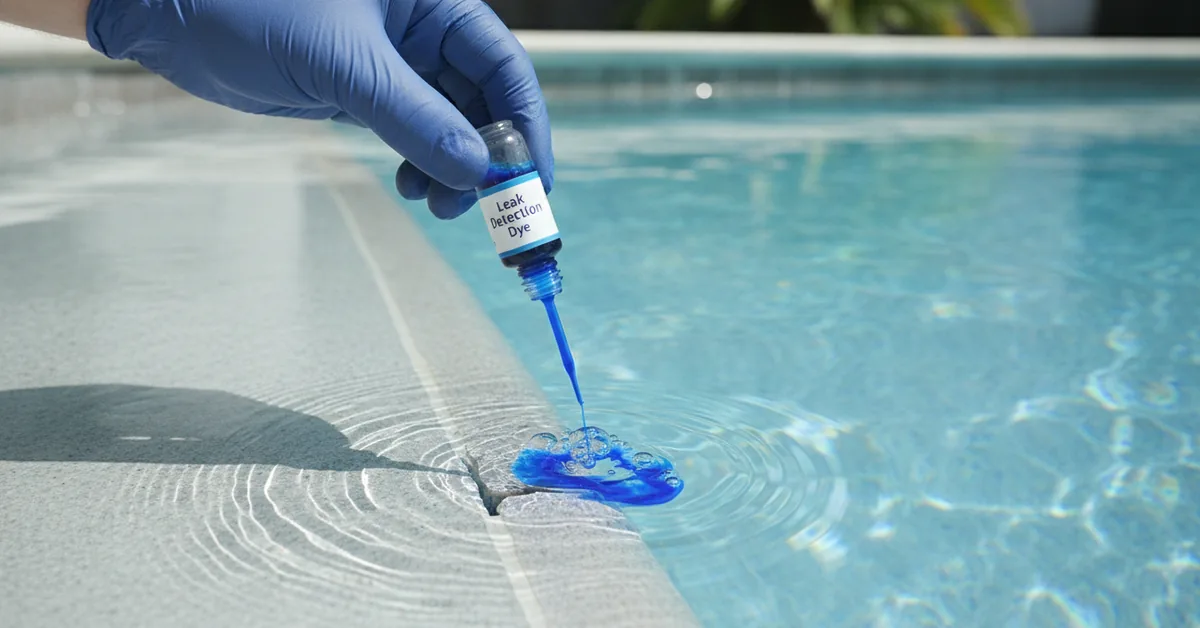
Pool Leak Detection
Is your pool's water level dropping faster than the afternoon humidity? A constantly running auto-fill is more than an annoyance; it's a sign of a deeper issue that, if ignored, can lead to structura…

Advanced treatments for maintaining pools are essential to ensure the sanitation, security, and lifespan of your
Advanced treatments for maintaining pools are essential to ensure the sanitation, security, and lifespan of your swimming pool. Regular maintenance is important, but occasionally, your pool requires special treatments to tackle certain challenges and keep the best conditions.
Shock chlorination is a crucial pool maintenance step that involves adding a high dose of chlorine to the swimming pool. This process destroys bacteria, algae, and pollutants that normal chlorination fails to eliminate. Shocking your pool weekly or after heavy usage maintains the cleanliness and safety of the water.
Algaecide TreatmentThe growth of algae can be a common issue in swimming pools, particularly in warmer weather. Algaecide application prevents and control the spread of algae. This particular treatment involves adding algaecide to the water, which destroys algae spores. Regular algaecide use keeps your pool free of algae and prevents the water from turning green.
Metal RemovalIf the water in your pool is high in metals such as iron, copper, and manganese, it may cause staining on the surfaces of the pool. Metal sequestrants sequester these metals and stop them from causing stains. Using a metal sequestrant to your swimming pool is crucial if your pool is filled with well water. Routine application helps maintain the aesthetic appeal of your pool water and avoids expensive repairs.
Enzyme TreatmentUsing enzymes are beneficial for breaking down organic contaminants such as body oils, lotions, and other debris that accumulate in the pool water. These contaminants can make the water cloudy and reduce the effectiveness of sanitizers. Applying enzymes degrade these organic materials, keeping the water clear and enhancing the performance of your pool's filter.
Calcium ControlManaging calcium hardness in the pool water is essential to prevent scaling and corrosion. High calcium levels result in scaling, while low hardness can cause corrosion. Using calcium hardness control products helps to balance the calcium levels, protecting the surfaces and equipment from damage.
Phosphate ControlPhosphate levels in swimming pools can cause the growth of algae, as they act as a food source for algae. Phosphate treatment solutions include using a chemical that sequesters phosphates and removes them from the water. This method lowers the risk of algae blooms and maintains clear water.
Importance of Using Safe and Effective ProductsWhen picking treatments for your swimming pool, it is important to use reliable and safe products. Using high-quality, tested, and proven products guarantees the best outcomes and protects the health of swimmers. Not using inferior or untested products prevents potential health risks and keeps your pool lasting longer.
To sum up, advanced treatments for pools are necessary to maintain a safe, clean, and efficient pool. Consistent use of these treatments handles unique challenges and improves the overall state of your pool. Choosing high-quality, safe treatments provides the best outcomes and prolongs the life of your pool.
Is your pool's water level dropping faster than the afternoon humidity? A constantly running auto-fill is more than an annoyance; it's a sign of a deeper issue that, if ignored, can lead to structura…
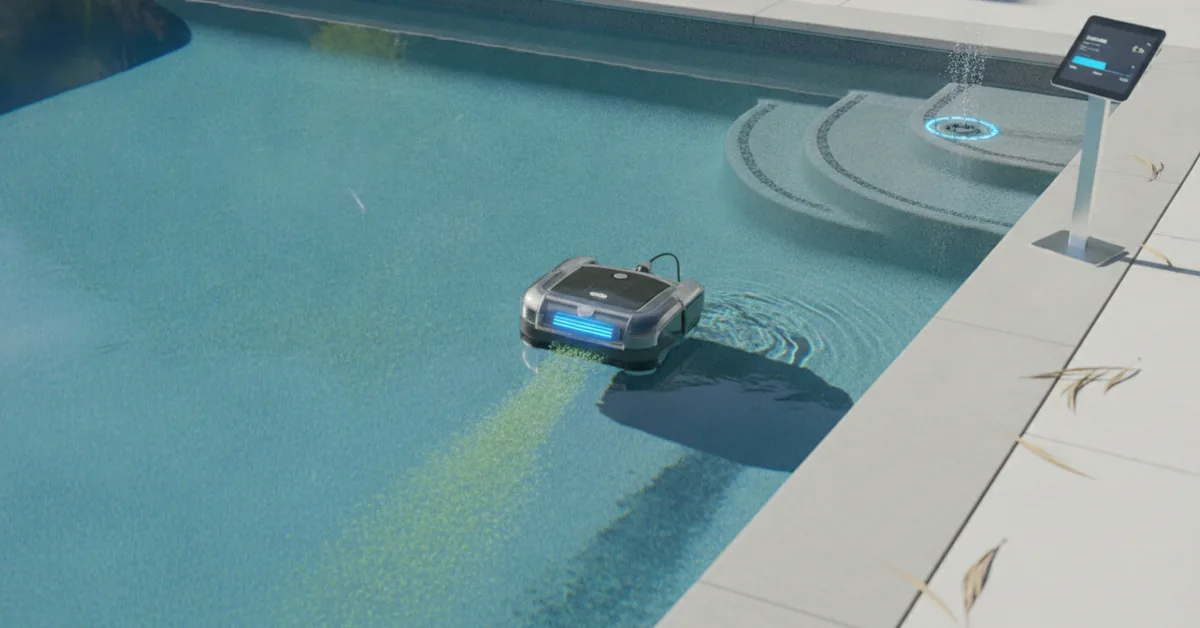
Many homeowners believe a chlorine shock is the ultimate solution for a green pool, but in North Florida's climate, that's often just a temporary fix. The real challenge is eradicating the persistent…
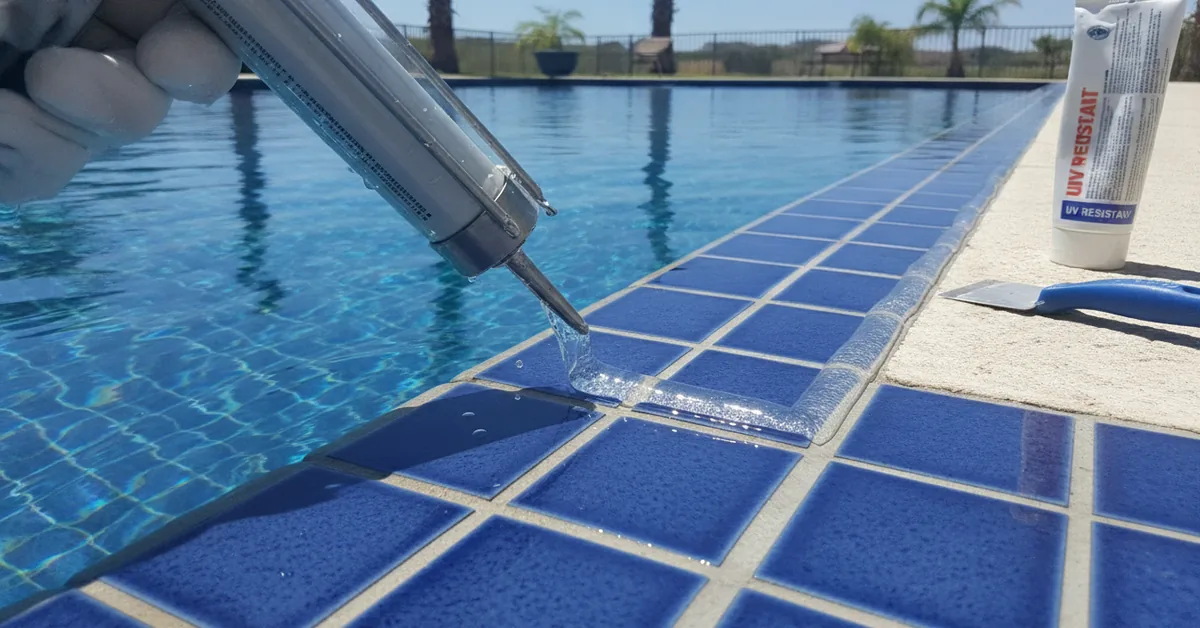
Choosing the right sealant for your pool deck and coping is more than just a repair job; it's a long-term investment against the relentless Florida sun. The wrong choice leads to cracked, chalky join…
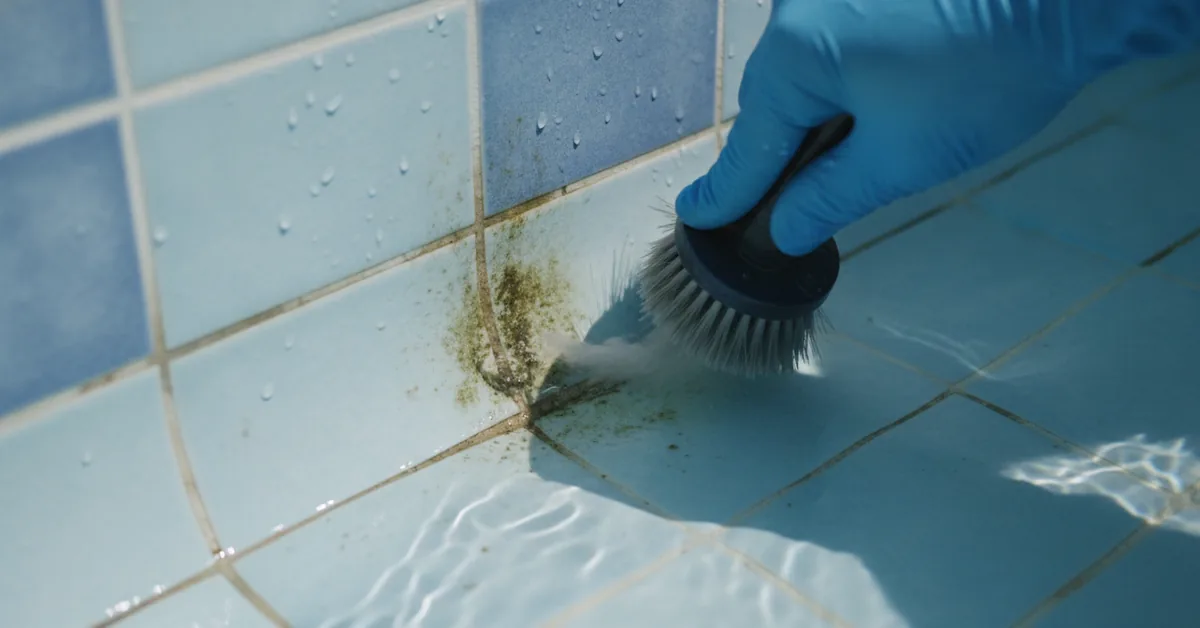
That dark spot at the bottom of the deep end that won't budge, no matter how much you brush, is more than just an eyesore. It's often a sign of a deeper chemical imbalance that DIY kits can't solve.…
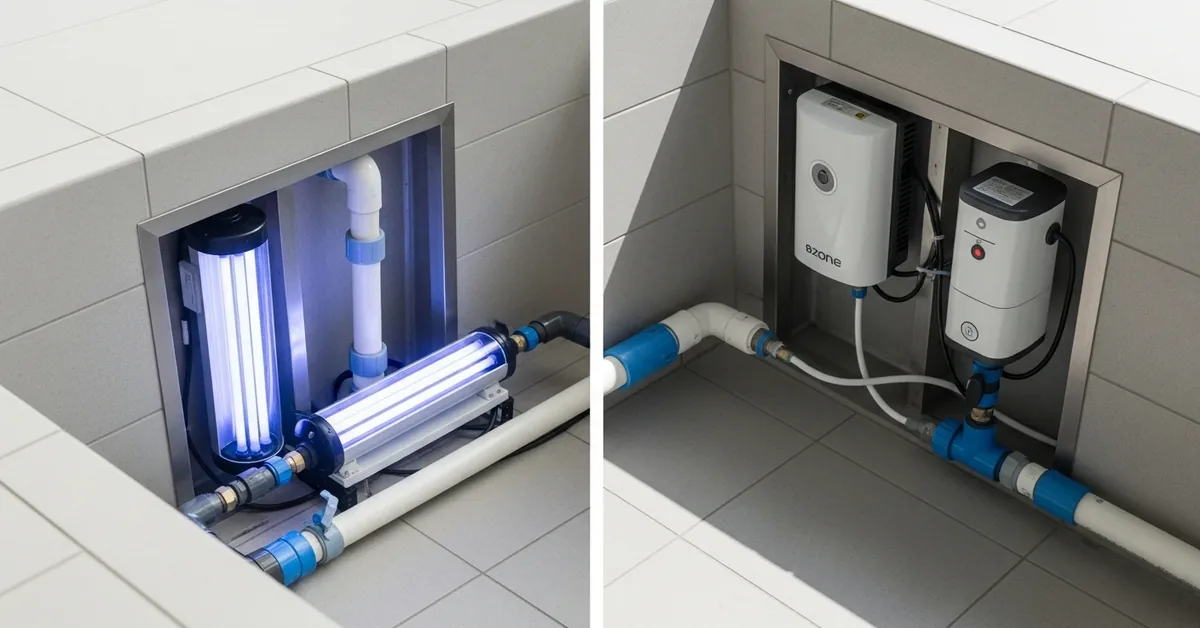
Switching to a modern pool sanitation system often feels like a gamble against traditional chlorine. Many homeowners wonder if the upfront cost of technologies like UV and ozonation will truly pay of…
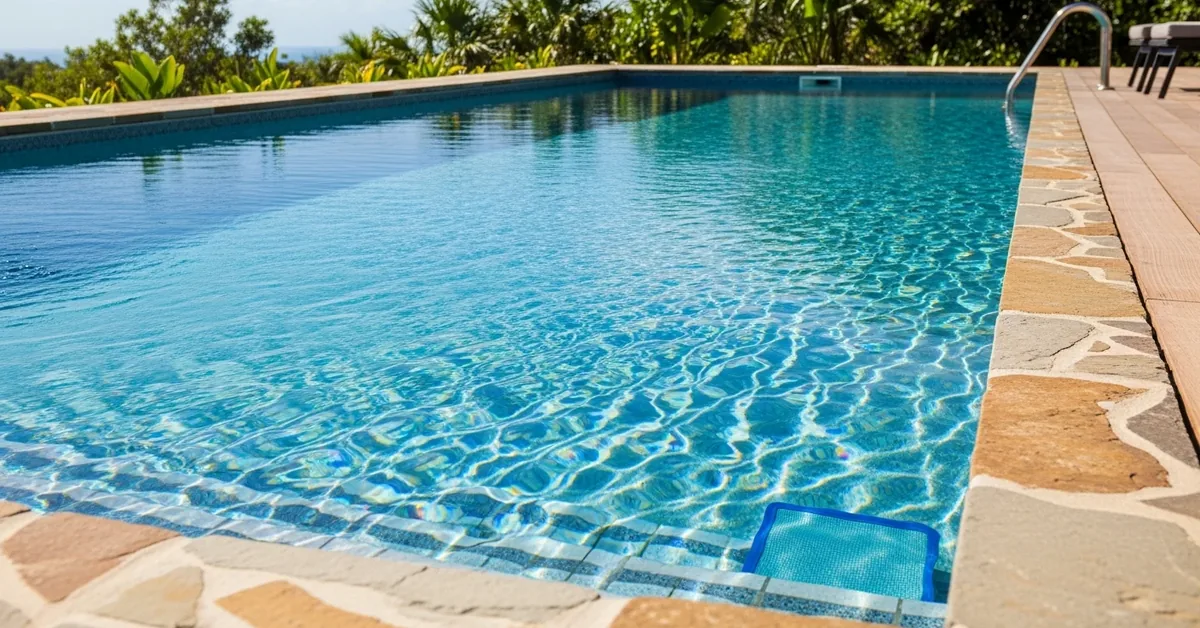
Converting to a saltwater pool system is more than just a matter of comfort; it's a decision with long-term financial and maintenance implications. Homeowners in Boston often find that the initial co…