Why do so many technically advanced LED pool lighting systems fail within three years in North Florida? The issue is rarely the bulb itself. It's almost always a failure to account for our specific environment: the high water table, the corrosive humidity that attacks connections, and the unique power grid fluctuations common in less urbanized areas like Boston. A system designed for a dry climate or a dense suburban grid is set up for failure here from day one.
A Field-Tested Summary of LED Pool Lighting Projects
From my work on projects across Thomas and Leon counties, the success of an LED pool lighting installation hinges on
From my work on projects across Thomas and Leon counties, the success of an LED pool lighting installation hinges on system integrity, not just fixture quality. The most impressive color-changing features are useless if the system's low-voltage transformer, conduit sealing, and grounding aren't specified for our region's high moisture levels and lightning activity. Many homeowners focus on the light's lumen output and color options, while the real points of failure are the unseen components buried underground or tucked away with the pump equipment.
- Voltage Drop Reality: For properties with longer runs from the panel to the pool, voltage drop is a major cause of flickering and premature failure. A 12-volt system can require a 13- or 14-volt tap at the transformer to compensate, a detail generic installers often miss.
- Sealing is Non-Negotiable: Standard conduit seals are insufficient. I insist on using high-grade, marine-rated sealants at every junction box and light niche connection to prevent water intrusion, the number one killer of LED drivers.
- Grounding Against Storms: North Florida's electrical storms are a serious threat. Proper bonding and grounding of the entire lighting system, integrated with the pool's existing bonding grid, is a critical safety and equipment protection measure.
- Cost Context: A professionally installed, single high-quality color LED light for an inground pool typically runs between $1,200 and $1,800 in this market, including the fixture, labor, and necessary transformer upgrades. Multi-light systems with automation can range from $3,500 to over $7,000.
The Planning Failures That Drive Up Long-Term Costs
The most common misstep is underestimating the existing electrical infrastructure. Homeowners assume their current setup can handle a new low-voltage system without issue, but older pools often have outdated or corroded wiring and bonding that can't safely support modern LED technology. Tying a new, sensitive electronic system into a compromised electrical grid is a recipe for disaster.
The Most Expensive Mistake: Ignoring the Conduit
The costliest error I consistently see is trying to pull new wiring through an old, damaged, or too-narrow light conduit. If the conduit is cracked or leaking, it will flood the new light's housing and short it out. I was called to a project where a homeowner had replaced the same expensive LED light three times in two years. The problem wasn't the light; it was a pinhole leak in the 20-year-old conduit that was never pressure tested. The decision to save a few hundred dollars by not replacing a questionable conduit ultimately cost them over $4,000 in failed lights and repeat labor.
The Installation Process in Practice
A proper LED lighting installation is a multi-step electrical project, not just a fixture swap. It begins with a thorough assessment of your existing pool shell, conduit, and electrical panel. We have to confirm the integrity of the light niche and ensure all components are properly bonded and grounded according to the National Electrical Code (NEC), which Florida and Georgia both adhere to for pool safety.
Key Selection Criteria for Boston Homeowners
When selecting a contractor and system, homeowners in our specific area should focus on durability against local conditions. A flashy brochure from a national brand means little if the system can't handle our reality.
- Proven Humidity Resistance: Ask for specific examples of systems that have been installed locally for 5+ years without moisture-related failures. Look for IP68-rated fixtures, which are designed for continuous submersion.
- Local Electrical Expertise: The contractor must be a licensed electrician or have one on staff who understands local grounding requirements and the challenges of our power grid. Verify their license with the Georgia Secretary of State's office or the Florida DBPR.
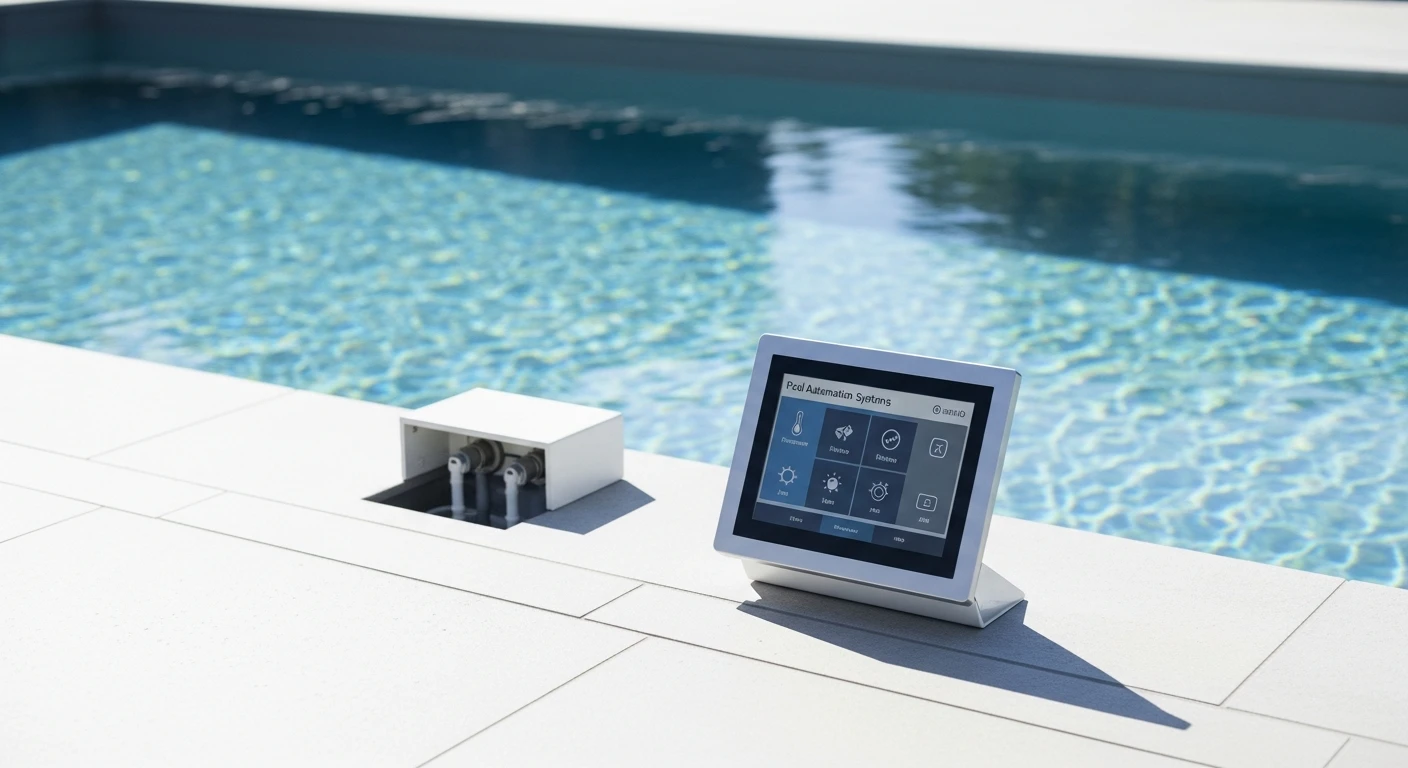
- Automation Compatibility: Does the system integrate with popular automation systems like Pentair's IntelliCenter or Hayward's OmniLogic? In a rural setting, remote control via a smartphone app is a huge convenience, preventing trips out to the equipment pad on dark, rainy nights.
- Warranty and Service Plan: Given our climate, a strong warranty on both parts and labor is essential. A company based in a distant city won't be responsive when you need a service call.
Comparing LED Systems with Alternative Lighting
While LEDs are the modern standard, it's useful to see how they stack up against older technologies and adjacent lighting options, especially when considering the entire backyard environment from the pool to the landscape.
| Feature | Modern LED In-Pool Lights | Halogen/Incandescent In-Pool Lights | Solar Lights for Pool Cage/Deck |
|---|---|---|---|
| Initial Cost | High | Low | Very Low |
| Energy Consumption | Very Low (approx. 80-90% less than halogen) | Very High | None (Solar Powered) |
| Lifespan & Durability | Excellent (15-20 years) | Poor (1-3 years, prone to failure) | Fair (2-4 years, plastic degrades in FL sun) |
| Brightness & Features | Very High, Full Color Control, Dimmable | Moderate, Single Color (White/Blue) | Low (Accent lighting only) |
When LED Pool Lighting Isn't the Right First Step
If your pool has existing structural or electrical issues, such as a leaking shell or faulty bonding, installing a new LED system is a poor investment. I advise clients to allocate their budget to fixing the core safety and structural problems first. Pouring money into high-end lighting for a pool with fundamental flaws is like putting a new roof on a house with a crumbling foundation. The lighting will inevitably fail or create a more dangerous situation.
A Safe Hiring Checklist for Your Lighting Project
Hiring the right professional is more critical than selecting the brand of light. A great fixture installed improperly will fail. A modest fixture installed by an expert will last for years. Use this checklist to vet potential installers.
- Verify their state license. For work in Florida, they must have a Certified Pool/Spa Contractor license (CPC) or be a licensed electrician (EC). In Georgia, an Electrical Contractor license is required for this work.
- Request proof of liability and workers' compensation insurance. Never hire a contractor without it.
- Ask for a project portfolio with at least three local references you can contact directly.
- Ensure the written proposal details the exact make and model of all components: lights, transformer, and automation controller.
- Confirm that the scope of work includes a pressure test of the existing light conduit before any new wires are pulled.
- Clarify if the price includes all necessary bonding and grounding work to bring the pool up to current NEC standards.
- Ask how they handle warranty claims. Do they service the equipment themselves or pass you off to the manufacturer?
Decisions That Define a Successful Outcome
The ultimate success of your pool lighting project comes down to two key decisions: choosing a system built for longevity over one built for novelty, and investing in a comprehensive installation rather than a simple fixture swap. Many of the most feature-rich lights on the market have the highest failure rates because their complex internal electronics are more susceptible to heat and moisture.
The Moment Most Homeowners Get It Wrong
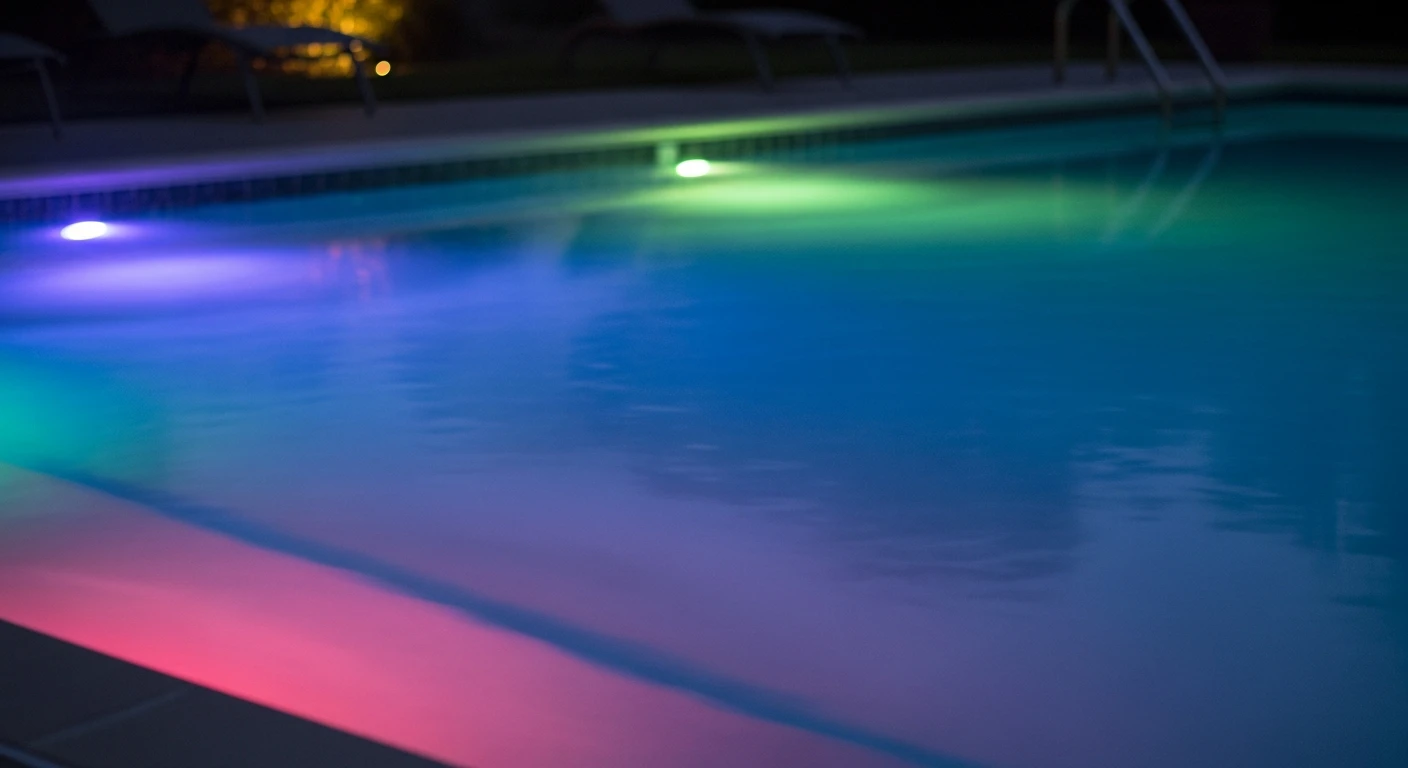
The critical mistake happens during the sales presentation. A homeowner gets captivated by a dazzling display of 16 million color options and a smartphone app that creates light shows. They focus on the features, not the fundamentals. The most important question to ask is not “How many colors does it have?” but “What is the documented failure rate of this model's electronic driver in a high-humidity climate?” A simple, robust, single-color or limited-color LED from a top-tier brand will almost always outlast a feature-packed light from a lesser-known manufacturer.
Practical Answers for Projects in the Boston Area
Navigating a project here involves understanding the specific jurisdictional and environmental realities that don't show up in a generic installation manual. These are the questions that come up on nearly every job site in our region.
Do I Need a Permit for Changing a Pool Light?
Technically, any time you are altering the low-voltage electrical circuit of a pool, a permit is required. In practice, for a like-for-like replacement, many contractors don't pull one. However, if you are upgrading from a 120V system to a 12V LED system or adding a new light, a permit from the Thomas County Building Department (or relevant Florida county if on that side of the line) is absolutely necessary. The inspection ensures the new transformer, wiring, and bonding meet code, which is a crucial safety check.
Integrating Inground, Cage, and Landscape Lighting
A common goal is to have all backyard lighting work in harmony. This is best achieved by using a single brand's automation system. For instance, if you install Pentair IntelliBrite inground lights, using their landscape lighting transformers and control systems allows you to sync everything from one app. Trying to mix a Hayward pool light system with a Ring landscape system and generic solar lights for a pool cage creates a disjointed experience with multiple apps and no synchronization. Plan the entire ecosystem from the start.
Addressing the Impact of Dark Sky and Wildlife
Unlike dense cities, our area around Boston has significantly darker nights. This means you need less raw power to achieve a dramatic effect, but also that you must be mindful of light pollution. I often recommend using multiple smaller, well-placed lights instead of one overpoweringly bright one. This creates even illumination without the glare that can disturb neighbors and nocturnal wildlife. Using dimmable lights and ensuring they are shielded to point downwards is a responsible approach for our rural environment.