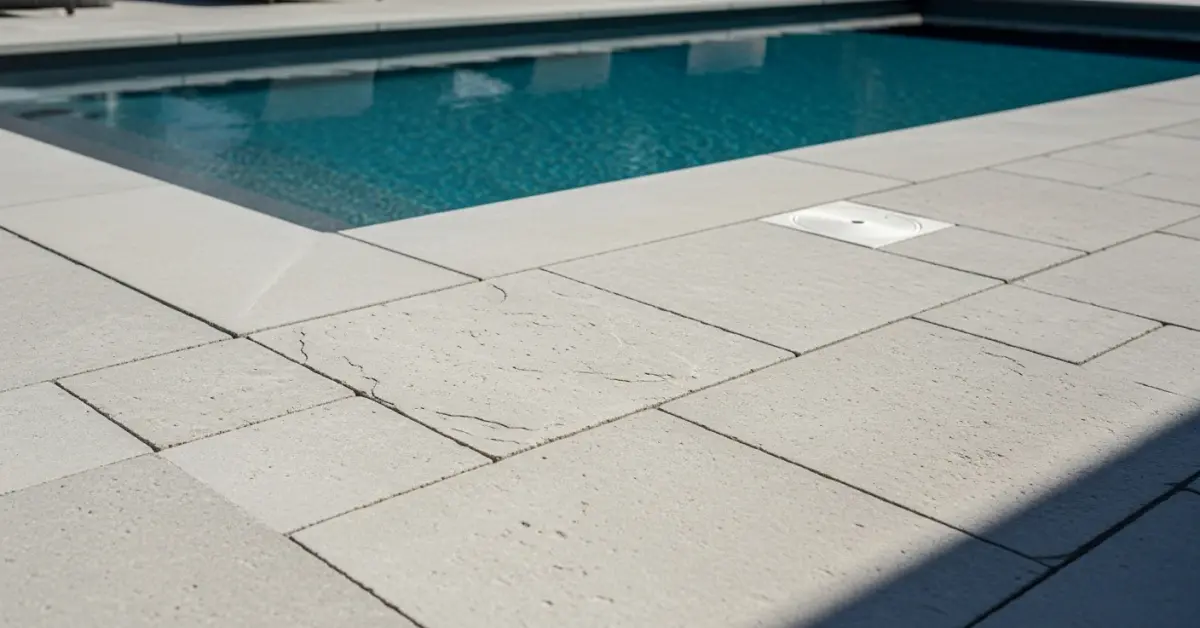
From my direct experience installing hardscapes in the Boston region, the success of large pavers hinges entirely on a
From my direct experience installing hardscapes in the Boston region, the success of large pavers hinges entirely on a meticulously engineered sub-base designed to counteract our specific soil and water conditions. Unlike smaller pavers that can mask minor substrate shifts, large format pavers (24x24 inches and up) are unforgiving. A base that works perfectly in sandy South Florida will fail catastrophically on the clay-loam mix common here, leading to rocking slabs and broken corners. The key is never to underestimate the hydrostatic pressure and soil expansion driven by our heavy rainfall.
- The minimum required base depth for large pavers in this area is 6-8 inches of compacted aggregate, not the 4 inches often cited in generic guides.
- Properly installed edge restraints are non-negotiable to prevent lateral creep, a common failure point I see on walkways.
- Using a geotextile fabric between the native soil and the aggregate base is essential to prevent clay infiltration and preserve drainage.
- The final sand setting bed should be no more than 1 inch thick; a thicker bed will lead to instability under the weight of large cement pavers.
The Critical Planning Failures with Large Pavers Here
The most common mistake I see is focusing 90% of the budget and attention on the paver itself—the color, the texture, the size—and only 10% on what's underneath. Homeowners fall in love with a sleek, modern look but don't account for the engineering required to support it on our challenging soil. This oversight is the root cause of almost every failed large paver project I've been called in to fix.
Another major failure is improper water management. Large outdoor pavers create vast, impermeable surfaces. Without a correctly calculated slope (a minimum of 1/4 inch per foot) and a drainage plan, rainwater pools on the surface or, worse, saturates the sub-base. This saturation is what causes the ground to heave and shift, creating the uneven, hazardous surfaces that appear a year or two after installation.
The Most Expensive Oversight: Underestimating Our Soil
The most costly mistake is assuming our soil is uniform and stable. I was called to a project just east of Boston where a homeowner had a beautiful patio of 24x36 inch concrete pavers installed. Within 18 months, several pavers had cracked. The original installer used a standard 4-inch gravel base. The problem was a vein of expansive red clay running through the property. After a wet season, the clay swelled, pushing the base upward unevenly and creating pressure points that the large, rigid pavers couldn't handle. The entire patio had to be excavated and redone with a proper 8-inch base and soil stabilization, more than doubling the initial cost.
The Installation Process for Our Climate and Ground
A successful large paver installation in the Boston, GA/FL region is a systematic process that prioritizes stability over speed. It starts with a thorough site evaluation, including identifying soil type and drainage patterns. We don't just start digging; we plan for where the water will go during one of our torrential summer downpours. The excavation must go deep enough to remove all topsoil and organic matter to reach the stable subsoil.
Next comes the installation of the geotextile fabric, which acts as a barrier between the clay-rich soil and the new base material. Then, we build the aggregate base in 2 to 3-inch lifts, compacting each layer with a heavy plate compactor until it reaches the specified depth. This multi-lift compaction is what creates a monolithic, stable foundation. Only then do we screed the sand setting bed, place the pavers, and install the edge restraints before the final compaction and joint sanding.
Key Selection Criteria for a Local Installation
- Contractor's Experience with Large Format Pavers: Ask for a portfolio of large paver projects specifically in North Florida or South Georgia. Their answers on how they manage clay soil are telling.
- Base Preparation Guarantee: A reputable installer will specify the base depth, compaction method, and materials in the contract and should offer a warranty against sinking or heaving.
- Sourcing and Logistics Plan: Given our location, ask where they source their pavers and base materials. Long-distance transport of heavy materials can significantly impact costs and timelines. A contractor with established local supplier relationships is a major asset.
- Proof of Proper Insurance: Verify their General Liability and Worker's Compensation insurance. Excavation and handling heavy pavers carry significant risk.
Comparing Large Pavers to Other Patio Surfaces
Homeowners often weigh large pavers against poured concrete or traditional brick pavers. While the initial aesthetic of large pavers is compelling, understanding the long-term performance and maintenance trade-offs in our climate is crucial for making an informed decision.
| Feature | Large Format Pavers | Poured Concrete Slab | Small Brick Pavers |
|---|---|---|---|
| Upfront Cost | High | Low to Medium | Medium |
| Repairability | Excellent (individual units) | Poor (cracks are permanent) | Excellent (individual units) |
| Stability on Clay Soil | Good (with proper base) | Poor (prone to cracking) | Excellent (flexible surface) |
| Long-Term Maintenance | Low (periodic joint sand) | Medium (requires sealing) | High (more joints to weed/sand) |
When Large Pavers Are the Wrong Choice
Despite their beauty, large pavers are not always the best solution. If your property has extreme slopes or known soil stability issues (like active springs or deep organic soil), the extensive site work required can make the cost prohibitive. In these scenarios, a flexible system of smaller pavers or a properly engineered deck might be a more durable and cost-effective choice. I've advised clients against large pavers when the necessary excavation and retaining walls would have tripled the project budget.
A Safe Hiring Checklist for Your Paver Project
Hiring the right team is more important than picking the right paver. A beautiful product installed incorrectly is a failed investment. Use this checklist to vet potential contractors for your project in the Boston area.
- Verify Florida or Georgia Contractor License: Depending on the project's exact location and value, a state license may be required. A professional will have this readily available. For projects in Thomas County, GA, specific local business licenses are also needed.
- Request a Detailed, Itemized Quote: The proposal must break down costs for materials, labor, excavation, and base preparation. Vague quotes like "install patio" are a red flag.
- Ask About Their Compaction Process: They should be able to specify the type of compactor used and the number of passes made per layer of aggregate. This technical detail separates amateurs from professionals.
- Check for ICPI Certification: While not legally required, certification from the Interlocking Concrete Pavement Institute indicates a commitment to industry best practices.
- Get a Written Warranty: Demand a written warranty that covers both materials and, more importantly, workmanship, specifically against settling and heaving for at least two to three years.
- Confirm Debris Removal is Included: Ensure the contract states they are responsible for removing all excavated soil and construction debris from your property.
Decisions That Define the Success of Your Project
The outcome of your project is determined long before the first paver is laid. The single most important decision is resisting the temptation to cut corners on the foundation. It's the part of the project you'll never see, but it's the only part that guarantees the longevity of what you do see.
Another critical decision is the choice of jointing sand. For the wider joints sometimes seen with large pavers, using a high-quality polymeric sand is essential. It hardens to lock the pavers in place and, crucially, inhibits weed growth and insect intrusion—a constant battle in our humid climate. Using cheap, standard sand is a short-term saving that leads to long-term maintenance headaches.
The Moment Most Homeowners Get It Wrong
The critical error happens during the bid comparison stage. Most people lay three quotes side-by-side and are immediately drawn to the lowest number. The right approach is to compare the base preparation specifications first. If one contractor quotes for an 8-inch compacted base and another for 4 inches, you are not comparing the same project. The cheaper bid is for a product that is guaranteed to fail in our environment. I always tell clients to disqualify any bid that doesn't meet the minimum base engineering standards for our region's soil, regardless of price.
Practical Answers for Paver Projects in the Boston Area
Navigating a hardscape project involves more than just design and construction. Understanding the local context, from material sourcing to regulations, is key to a smooth process.
How does our location affect material costs?
Our location away from major metropolitan centers directly impacts material costs and availability. Large concrete pavers are heavy and costly to ship. Contractors with established accounts at quarries in Valdosta or Tallahassee can source aggregate and pavers more economically. When getting quotes, always ask if material delivery fees are included, as they can be a significant, unlisted expense for a large patio or walkway.
Are permits required for a patio project here?
Generally, for a standard on-grade patio in Thomas County, a building permit is not required. However, the rules can change if the project involves significant grading, retaining walls over a certain height (typically 4 feet), or attachment to the home's foundation. It's always the contractor's responsibility to verify requirements with the Thomas County Planning and Zoning office before starting work. Never take a verbal "no permit needed" as the final word without verification.
What about drainage and property lines?
This is a major point of contention I've seen between neighbors. You are legally responsible for managing the stormwater runoff from your new impervious surface. The installation must be designed so that water doesn't flood an adjacent property. A professional site plan will show the direction of water flow and may incorporate solutions like French drains or dry wells to manage runoff on your own property, preventing any issues with county regulations or neighbors.